The world runs on transaction. The Kingdom runs on love.
If money is the currency of earth, what is the currency of Heaven?
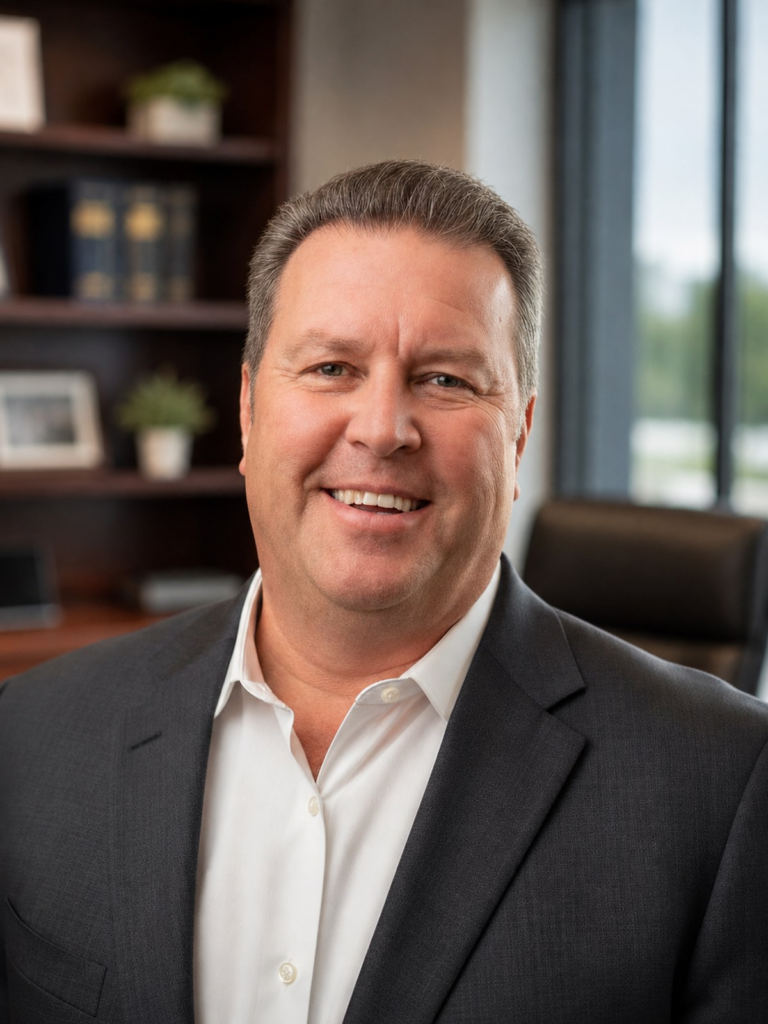
That question found me after the collapse of a twenty-year business. The answer changed how I live and lead. I work with business owners and executives who want their faith running the company, not sitting beside it.

The Story Behind the Kingdom Economy
When the bottom line hits zero, what is my life worth?
For twenty years I lived inside the world’s economy.
I built a business, worked hard, and did what most people do—measuring progress by what I could produce, earn, and achieve.
Then the pandemic hit.
The business I had spent two decades building collapsed almost overnight, and what followed was one of the most humbling seasons of my life.
But in the middle of that collapse, a deeper question began to surface:
What happens when we stop earning our worth and start inheriting it?
That question opened the door to something Scripture has been revealing all along…
I now call it the Kingdom Economy.
You don’t have to be wealthy to be trapped by the world’s system.
And you don’t have to leave your job to enter the Kingdom.
You just have to change your currency.
I wrote it all down. The short version is free.
Four hours, online, free
Join my workshop on November 14 — five areas of a leader’s life, looked at through the Kingdom economy. Twelve seats.
I don’t teach this from the sidelines.
I was hired to fix a sales team that had missed budget twelve months in a row. Twelve months. Same product, same market, same people.
My first meeting told me everything. The numbers went up on the screen, the room went quiet, and the reps offered the only currency they had left: excuses. The market’s soft. Competitors are undercutting us. The easy diagnosis was the usual one — they weren’t working hard enough. But I didn’t see laziness. I saw paralysis. Fear had convinced a capable team that effort was pointless.
So I didn’t add pressure. For two weeks I rode along — not to inspect them, but to know them. Then we made one agreement: no more excuses; we own our results. And we replaced “work harder” with a single focus — serve the person in front of you. Six weeks later, same team, same market: up 17% over the prior year. A year on, they’re up double digits every month — and I still lead them.
I coach the same shift I live. Rob came to me doing everything his training told him to. He’d been taught that selling is a numbers game — make enough calls and something closes — and he was hitting every target the system asked for. But his income was crawling while he watched others pass him, and he was working seven days a week to keep it moving. The problem wasn’t his effort; it was where the effort was aimed.
His whole approach was built around hitting his own milestones, so we rebuilt it around the person he was serving — their needs, their goals, what they were after. Every step focused on them instead of him. His relationships deepened, clients trusted him with more of their business, new ones came on faster, and they started sending him others.
“Geoff helped me… shift my mindset from a transactional to a customer-focused approach. This shift has completely changed how I engage with clients… The results have been nothing short of transformative.”
Robert Allain · See the full recommendation on LinkedIn
That was three months in. Eighteen months later, he’s still my client, and his income is up more than 5x. The focus stayed on serving clients and building relationships — and the results followed.
Different business, different people, same economy underneath.
Numbers rise and fall. The relationships you build by serving people don’t — and neither does who you become building them. That’s the freedom on the other side of the fear: what matters most was never what was at risk.